You’re already getting visitors but are they converting?
CRO is the science and strategy of turning your website traffic into real business results. Instead of guessing, we use data, analytics, and user behavior insights to remove friction, increase trust, and guide visitors toward the actions that matter such as calls, purchases, bookings, sign-ups, and sales. Most businesses focus on driving more traffic but never optimize how that traffic behaves. With smart CRO, you can double or even triple your conversions without spending an extra dollar on ads. We’re the conversion rate optimization agency that makes you money.
You can have the best ads, strong SEO, and amazing content, but if your landing pages don’t convert, you’re losing 60–80% of potential revenue.
Common conversion killers include:
Fix these, and suddenly your website becomes a high-performing sales engine.

We don’t guess, we test, measure, and optimize.
Here’s how we transform your conversion rates:
We analyze user behavior, heatmaps, scroll depth, funnel drop-offs, and session recordings to identify what’s stopping conversions.
We refine layouts, messaging, call-to-action placements, and psychological triggers to drive action.
Real experiments—real results. We test different versions of pages, offers, headlines, forms, and layouts to discover what performs best.
Slow sites = low conversions. We improve loading speed, responsiveness, and mobile-first experience.
From the first click to the final CTA, we optimize every step of the customer journey.
We include reviews, testimonials, case studies, guarantees, and authority badges to remove hesitation.
It’s not just about improving numbers—it’s about maximizing every visitor you’ve already paid for.
CRO is essential for:
If you’re running ads or driving consistent traffic, CRO is your biggest hidden opportunity.
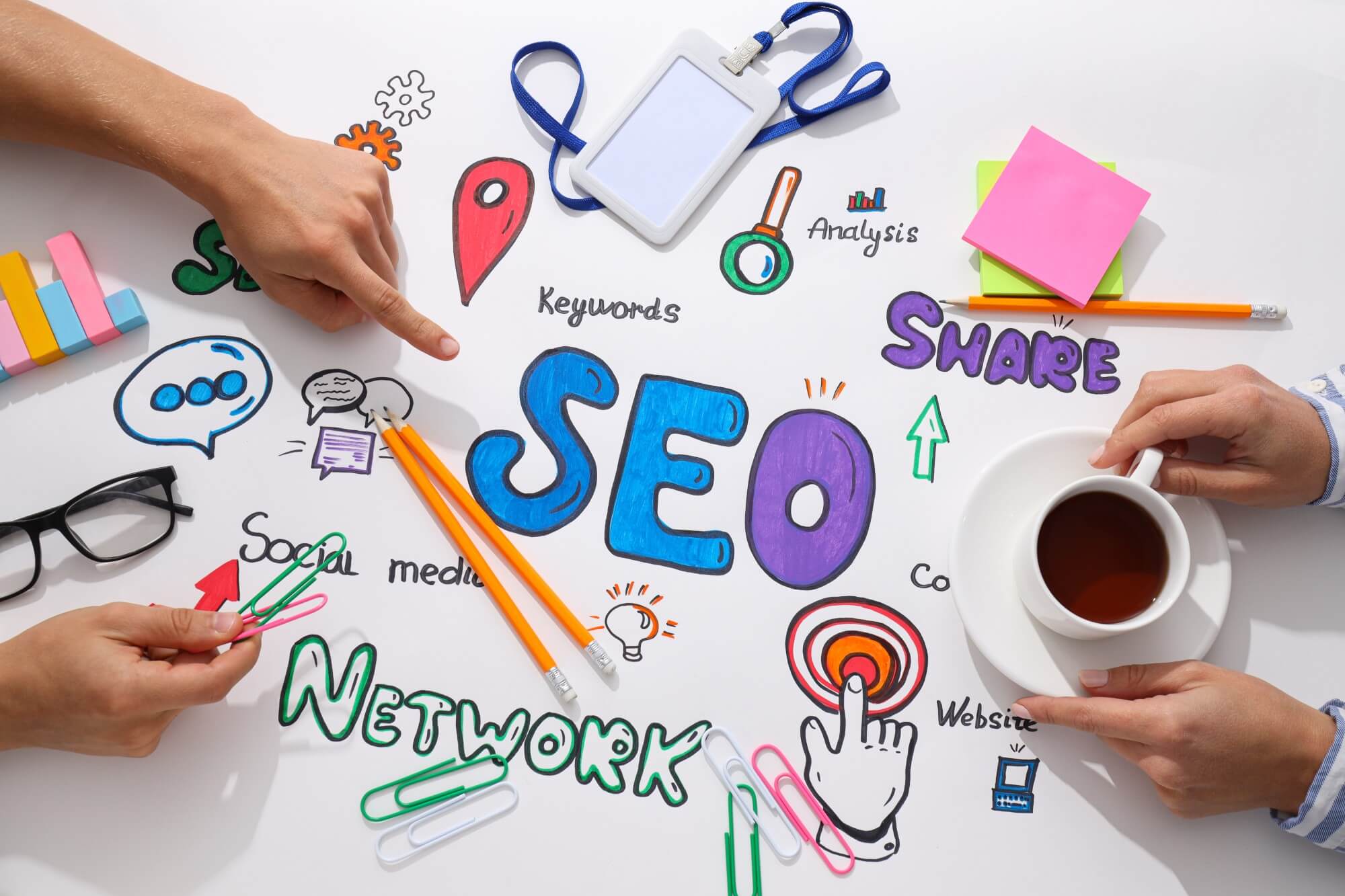
Conversion Rate Optimization (CRO) is the process of improving your website so a higher percentage of visitors take a desired action, such as submitting a form, making a purchase, or booking a call. Instead of spending more on traffic, CRO helps you get more value from the traffic you already have. It’s important because even small improvements in conversion rates can significantly increase revenue, leads, or sign ups without increasing ad spend or SEO costs.
This is done through data and user behavior analysis rather than assumptions. We look at analytics, heatmaps, session recordings, funnel drop offs, and page level performance to understand where users hesitate or leave. We also review page messaging, layout, page speed, and mobile usability. The goal is to identify friction points like unclear value propositions, confusing navigation, trust gaps, or poorly placed calls to action that reduce conversions.
Timelines vary depending on traffic volume and the complexity of the website. Initial insights and opportunities are usually identified within the first few weeks. Measurable results often appear within one to three months once tests are live and enough data is collected. CRO is not a one time fix. It’s an ongoing process where improvements compound over time as more tests are completed and learnings are applied.
Yes. Access to tools like Google Analytics, Google Tag Manager, heatmapping software, and your website CMS is necessary to do CRO properly. Without this access, it’s not possible to accurately diagnose issues, track performance, or validate improvements. All access is used strictly for analysis, testing, and reporting, and can be read only where appropriate.
Any business with consistent website traffic can benefit from CRO. This includes ecommerce stores, SaaS companies, lead generation websites, service based businesses, and B2B companies. CRO is especially valuable when traffic costs are high or growth has plateaued. If users are visiting your site but not converting at the expected rate, CRO helps close that gap.
CRO does not mean redesigning your entire website. Changes are typically targeted and data driven, such as improving page structure, adjusting messaging, repositioning calls to action, or simplifying forms. In some cases, design changes are recommended, but only when they are supported by data and testing. The focus is on performance, not aesthetics for their own sake.
Testing usually includes headlines, page copy, call to action wording and placement, layouts, forms, trust elements, pricing presentation, navigation, and mobile experience. Tests are based on identified user behavior issues and business goals rather than random ideas. Each test is designed to answer a specific question about what improves conversions.
Results are measured using clear performance metrics such as conversion rate, lead volume, revenue, engagement, and drop off reduction. A/B testing and before and after comparisons are used to validate changes. Reporting focuses on measurable impact rather than opinions, so you can clearly see what improved, what didn’t, and why certain changes were kept or rolled back.